Apparel matters.
We obsess over measuring athletes, but often overlook what they're actually wearing.

There are so many wearables that I regularly cover in my Wearable tech for athletes series. Most of the time the conversation is about technology (sensors, biometrics, recovery metrics and the growing ability to understand what is happening inside an athlete’s body).
Recently I started thinking more about another type of wearable, the one that does not collect data, does not need a battery and has been with athletes from the very beginning. Apparel.

Looking beyond the shoes
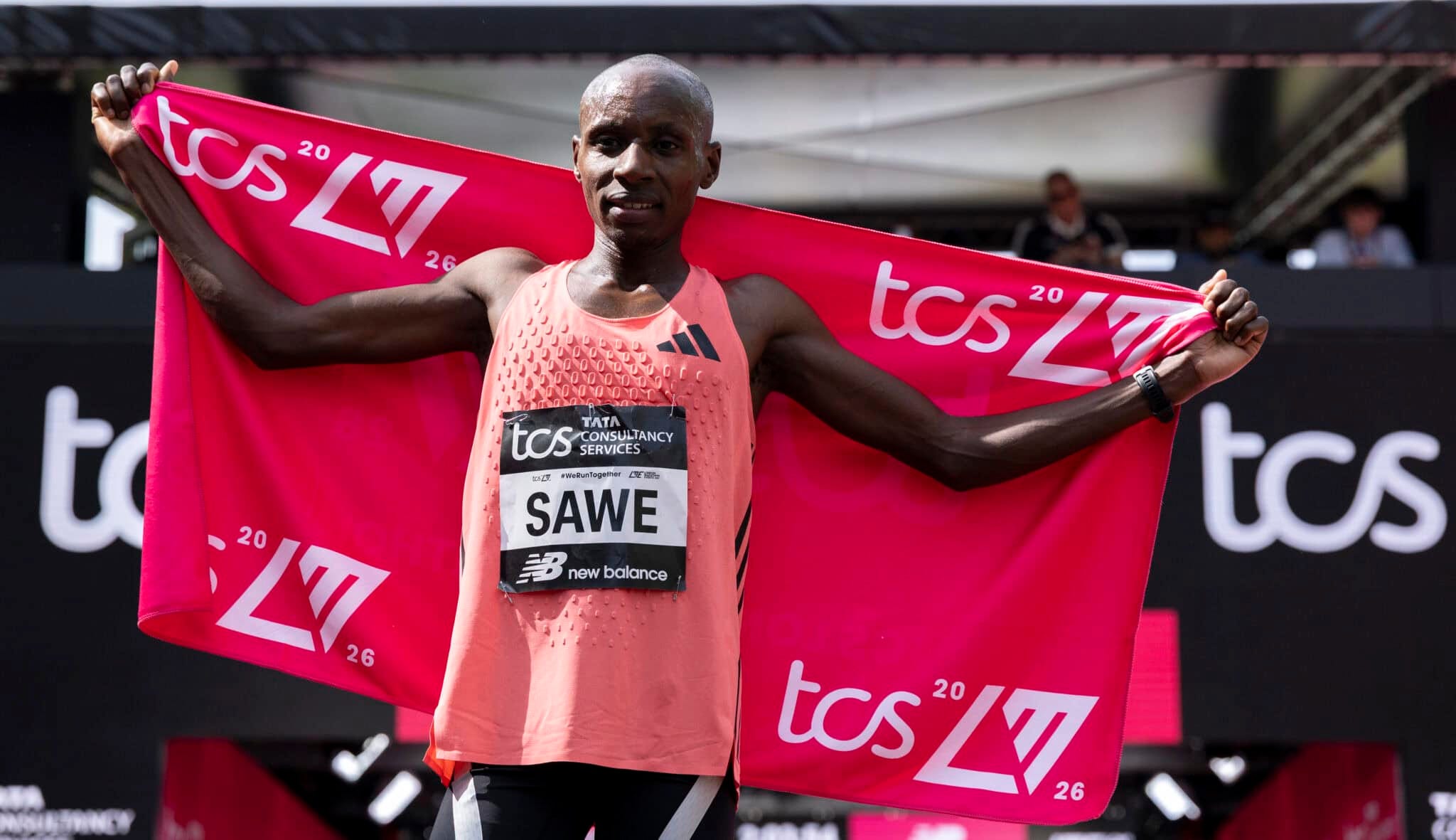
Just two months have passed since Sebastian Sawe ran 1:59:30 at the TCS London Marathon on April 26. And yes, he was wearing the adidas Adizero Adios Pro Evo 3.
The shoes naturally attracted most of the attention since they represent the current direction of elite running footwear. Extremely light, highly engineered and designed around marginal gains.
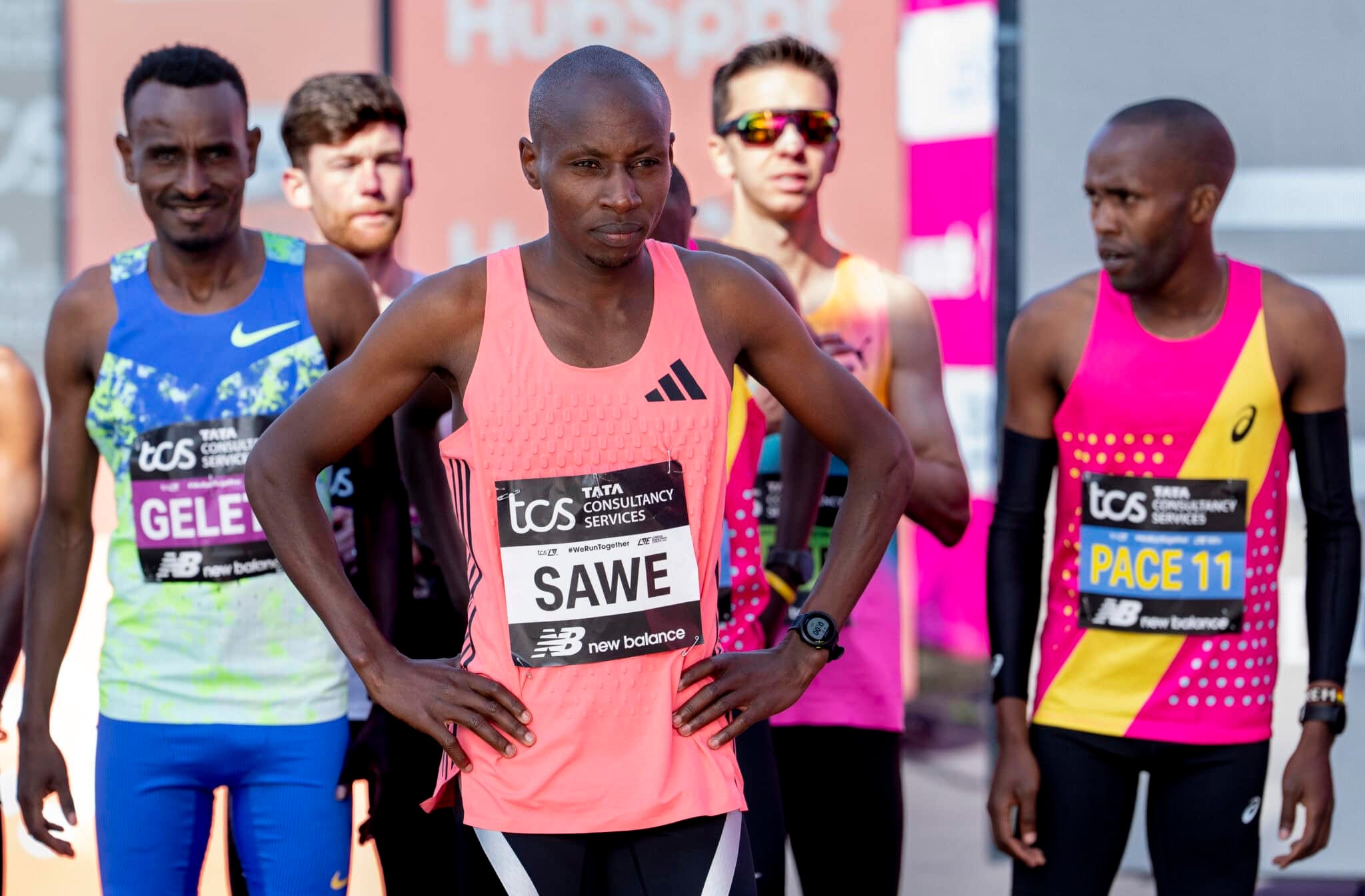
But what caught my attention was what Sawe was wearing: the adidas Climacool+ Singlet and adidas Techfit+ Endurance Shorts. At first glance, everything looked simple, a singlet and a pair of shorts, nothing that immediately signals innovation. But I have learnt that elite performance is often hidden in simplicity. The materials, the construction, the weight, the ventilation and the interaction with the body all matter. Over the course of a marathon these small details become part of the athlete’s performance environment.
The wearable we already have
When I was reading Jess’s LinkedIn post after the Sports Innovation Exchange in New York, it made me think about how narrow our definition of wearable technology has become.
We often associate wearables with electronics, devices that measure, track and analyze, but maybe we should also look at the equipment that athletes rely on every second of movement.
At the end of the day the apparel is not just something athletes wear, it is something they perform in. It manages temperature, helps control moisture, supports freedom of movement and removes distractions. It interacts with the human body continuously, even without producing a single piece of data.
In many ways, apparel was the first wearable technology and maybe the future of performance wearables is not only about adding more intelligence. Maybe it is also about improving the things that are already there.

Less is more
I keep seeing lighter solutions appear across the market, like the Stellar Equipment Aerolight Wind Jacket that I covered in the last post. The idea is simple: to provide protection and functionality while removing unnecessary weight.
This same philosophy has transformed running shoes. The goal is not to add more features, but to find the right balance between performance and simplicity. It seems that the apparel is moving in the same direction. Less weight, better materials and more efficiency.
The Techfit Endurance Suit
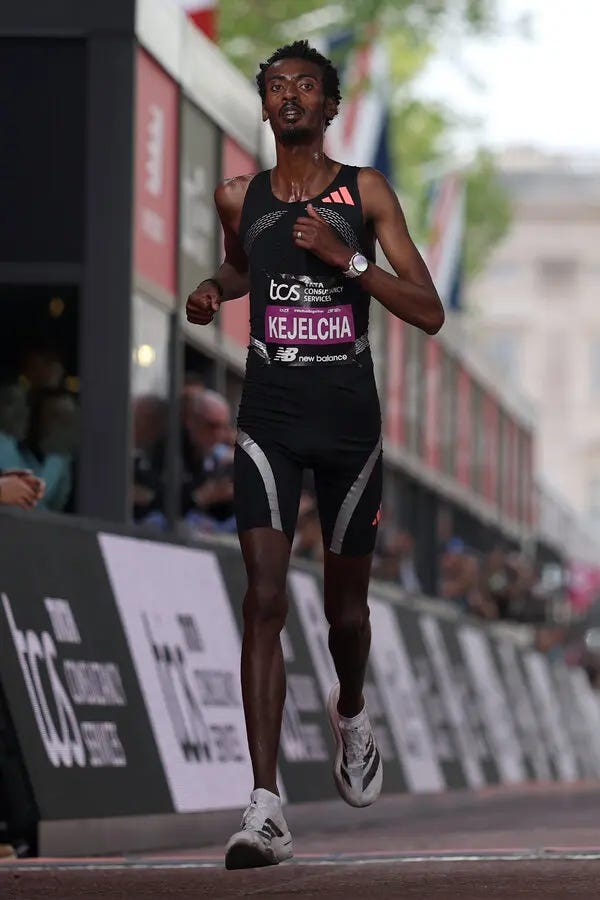
The adidas Techfit Endurance Suit is an interesting example of where this category could be heading. It moves beyond traditional ideas of comfort and protection toward garments designed around movement efficiency and biomechanics. Athletes are already comfortable accepting that shoes can influence performance through carbon plates, foam compounds and energy return, but when the same thinking moves into clothing, it still feels unfamiliar. I guess that is because the apparel is seen as something that simply covers the athlete, but maybe that definition is changing.
If a shoe can influence how efficiently we run, why couldn’t a garment influence how efficiently we move? Yomif Kejelcha stunned the world by becoming the second man in history to run under two hours wearing the adidas Techfit Endurance Suit. But this innovation also raises questions.
Robert Johnson, the co-founder of LetsRun.com, pointed out in his article that there is still need for more context around the claimed performance benefits. Like what is the baseline? Compared to what type of apparel does the suit improve running economy by more than 1%? How exactly was it tested? And will adidas publish the data?
These questions matter because performance technology should not only be exciting. It should also be measurable and understandable.

Conclusion
The best equipment is often the equipment that disappears once the athlete starts moving. And since wearable technology continues to evolve, we should remember that innovation does not always need to come with more sensors, more data or more complexity. Sometimes progress means making something lighter, simpler and better. Maybe less is more.